
Why Autofocus USB Cameras Are Crucial for Mobile Robots
In the realm of mobile robotics, visual perception isn't just a feature — it's a necessity. Whether navigating dynamic environments, identifying objects, or tracking moving targets, robots rely heavily on cameras for real-time visual feedback. Among all imaging solutions, autofocus USB cameras stand out as an essential component for enhancing accuracy, adaptability, and intelligence in autonomous systems.
At Shenzhen Novel Electronics Limited, we offer high-resolution autofocus USB camera modules (up to 8MP) designed specifically for embedded and robotic applications. Here’s why these autofocus modules are critical for your next-generation mobile robots.
1. Adapting to Variable Distances on the Move
Mobile robots often operate in unstructured environments where the target’s distance is constantly changing — whether it's a warehouse bin, a human, or a product on a shelf.
Use Cases:
2. Improving Image Quality for AI Vision Tasks
Blurred or poorly focused images can drastically reduce the performance of AI algorithms such as object detection, QR/Barcode scanning, and facial recognition.
Compatible Sensors:
3. Speeding Up Deployment and Integration
Unlike manual-focus modules that require physical adjustment for each use case, autofocus modules save time:
Developers benefit from reduced prototyping time and quicker integration in production robots.
4. Supporting Multiple Vision Functions in Compact Systems
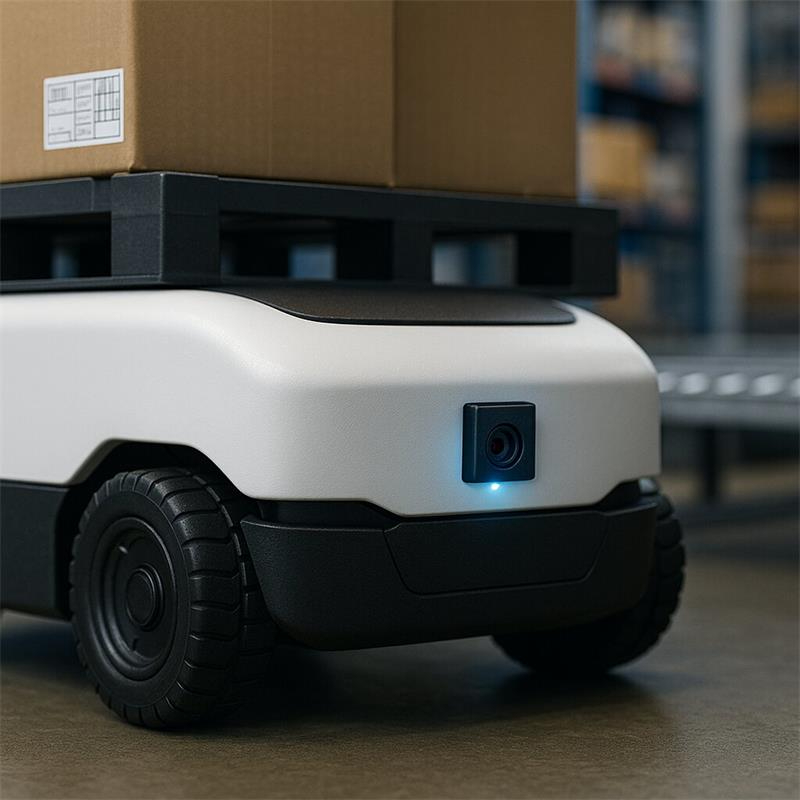
Many mobile robots handle multiple visual tasks — scanning, obstacle detection, interaction, etc. Autofocus makes these possible using a single versatile camera.
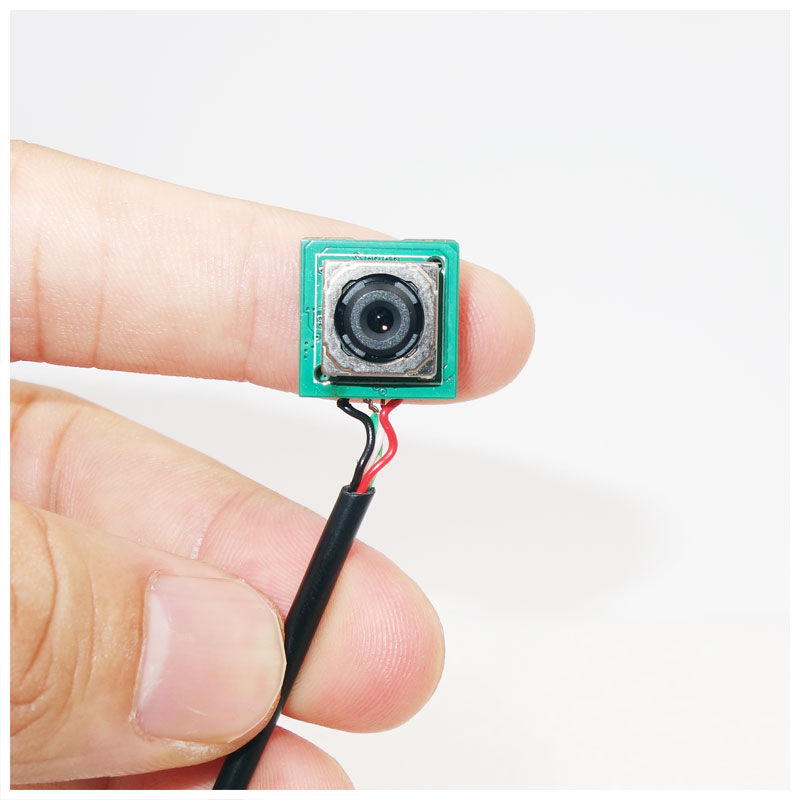
5. Key Specifications of Novel’s Autofocus USB Cameras
|
Feature |
Description |
|
Size |
15mm×15mm / 14mm×14mm module sizes |
|
Resolution |
5MP, 8MP options (e.g. Sony IMX179 / IMX219) |
|
Autofocus Type |
Voice Coil Motor (VCM) / Software-driven |
|
Interface |
USB 2.0 / 3.0, UVC compliant |
|
OS Support |
Windows / Linux / Android |
|
Add-ons |
HDR, Wide Dynamic Range, IR filter, Lens customization |
Ideal Applications
Customization Options Available
We support OEM/ODM customization, including:
Let’s Build Smarter Vision Together
If you're building the next generation of intelligent mobile robots, autofocus USB camera modules can give your product the edge it needs. Contact Shenzhen Novel Electronics Limited today to get technical support or request samples
Novel 12MP 4K@30fps 14*14mm autofocus USB camera module for Robots
https://www.okgoobuy.com/sony-12mp-miniature-usb-camera.html
Follow Me
Address:A615, 6F, Huachuangda Building, No107 Xinghua 1st Road, 43 District, Xinan street, Baoan, shenzhen, China 518101