Goobuy provides micro camera and camera-head solution advice for U.S. harsh-site machine vision and embedded vision integrators that need compact visible, low-light, global shutter, AHD, USB, thermal or rugged camera hardware inside monitoring, control and automation equipment. For U.S. mining, conveyors, BESS, substations, heavy industry, energy facilities, wastewater and environmental monitoring sites, Goobuy is not a full SCADA, PLC, AI software or surveillance-platform provider. Its value is to help integrators select and configure the camera-side layer: lens, interface, cable, connector, housing, FOV, working distance and sample platform for protected equipment, local DVR evidence, low-light observation, motion-safe capture or thermal-risk confirmation.
Micro Camera Solutions for U.S. Harsh-Site Machine Vision Integrators
Camera-Head Selection Advice for Mining, Conveyors, BESS, Substations, Heavy Industry, Energy Facilities and Environmental Monitoring Equipment
Goobuy provides micro camera and camera-head solution advice for U.S. harsh-site machine vision and embedded vision integrators that need compact visible, low-light, global shutter, AHD, USB, thermal or rugged camera hardware inside monitoring, control and automation equipment.
Many U.S. harsh-site monitoring, control and automation projects do not begin with a camera.
They begin with a field problem:
A conveyor transfer point cannot be seen clearly.
A BESS service cabinet needs visible evidence after an alarm.
A substation device needs protected visual confirmation.
A heavy machine has a hidden internal fault.
A wastewater pump station needs local video evidence.
A rugged edge box needs compact camera input.
A field-service tool needs a small camera near the problem.
A monitoring integrator needs camera hardware that fits the existing host device.
Goobuy is not a full SCADA provider, PLC integrator, AI software company, VMS platform or site contractor.
Our role is more specific:
We help U.S. integrators and OEM teams select the correct camera-side hardware layer for harsh-site embedded vision equipment.
That includes interface, lens, cable, connector, housing, working distance, FOV, low-light need, local DVR workflow, thermal requirement and sample-to-pilot validation.
1. Why U.S. Harsh-Site Integrators Need Camera-Head Advice
Harsh-site integrators usually already understand their own monitoring, control or automation system.
They may already have:
- PLCs;
- SCADA;
- edge gateways;
- BMS systems;
- vibration sensors;
- temperature sensors;
- industrial PCs;
- local DVR monitors;
- rugged enclosures;
- remote cabinets;
- maintenance workflows.
The missing layer is often visual confirmation.
They need to answer practical questions:
- What did the equipment actually do?
- Did the conveyor blockage happen before or after the alarm?
- Was the BESS service door opened?
- Did the actuator move at the correct time?
- Did the pump station condition change?
- Can a technician review video locally?
- Can the camera fit inside the existing device?
- Should the camera output USB, AHD, CVBS, IP, thermal or another signal?
- Is visible video enough, or is thermal imaging required?
This is where Goobuy can help.
We do not replace the integrator’s system. We help the system see.
2. The Core U.S. Customer Profile
This page is written for U.S. companies that build or integrate equipment for harsh industrial sites.
Best-fit customer types include:
- harsh-site monitoring integrators;
- control-system integrators;
- industrial automation integrators;
- mining equipment solution providers;
- conveyor monitoring companies;
- BESS system service-equipment providers;
- utility and substation monitoring teams;
- heavy-equipment OEMs;
- wastewater and environmental monitoring integrators;
- field-service tool builders;
- rugged edge-device OEMs;
- machine builders with hidden visual faults.
These customers usually do not need a generic webcam.
They need a camera configuration that fits their own device, host and field workflow.
3. What “Micro Camera Solution” Means at Goobuy
A micro camera solution does not always mean the same product.
For Goobuy, it means selecting the right camera-side architecture from existing platform directions and then adjusting the practical details.
Possible directions include:
- micro USB camera for embedded hosts;
- micro AHD camera for local monitor and DVR systems;
- AHD camera DVR kit for field maintenance evidence;
- IP69K AHD camera kit for wet or washdown local viewing;
- STARVIS low-light USB camera for weak visible-light observation;
- global shutter USB camera for motion-safe image capture;
- thermal camera module for heat-risk monitoring;
- visible + thermal camera architecture when both detection and scene confirmation are needed;
- lens, cable, connector and housing adaptation for the customer’s device.
This is different from building an entire site-monitoring system from zero.
Goobuy focuses on the camera-head layer.
4. The Main Decision: What Does the Camera Need to Prove?
Before choosing a camera, the integrator should define what the image must prove.
Visible confirmation
Use visible USB, AHD or low-light camera modules when the system needs to show:
- material flow;
- cabinet status;
- service activity;
- panel condition;
- operator view;
- machine movement;
- fault evidence.
Heat-risk detection
Use thermal cameras when the system needs to detect:
- bearing overheating;
- roller temperature rise;
- electrical hotspots;
- BESS thermal abnormality;
- pump or motor heat change;
- early fire-risk conditions.
Motion-safe capture
Use global shutter cameras when the system needs to capture:
- moving parts;
- fast conveyor motion;
- barcode or marker reading;
- robot docking;
- moving objects without rolling shutter distortion.
Local DVR evidence
Use AHD camera DVR kits when the system needs:
- local monitor display;
- video playback on site;
- no IP setup;
- no PC software;
- a small camera near a hidden fault point.
The correct camera is not chosen by resolution first. It is chosen by the evidence requirement.
5. U.S. Mining Applications
Mining sites often need visual confirmation around conveyors, transfer points, equipment cabinets, crushers, chutes, pump stations and heavy machines.
A U.S. mining integrator may need cameras for:
- conveyor transfer-point visibility;
- chute blockage evidence;
- protected cabinet viewing;
- local DVR fault replay;
- service panel video;
- mining equipment operator assistance;
- edge monitoring box input;
- thermal confirmation of roller or bearing heat risk.
Possible Goobuy directions:
- AHD DVR kit for local conveyor fault evidence;
- IP69K AHD camera for wet, dusty or exposed local viewing;
- micro USB camera inside a protected edge box;
- thermal camera module for heat-risk monitoring;
- STARVIS low-light camera for weak visible-light areas.
Boundary:
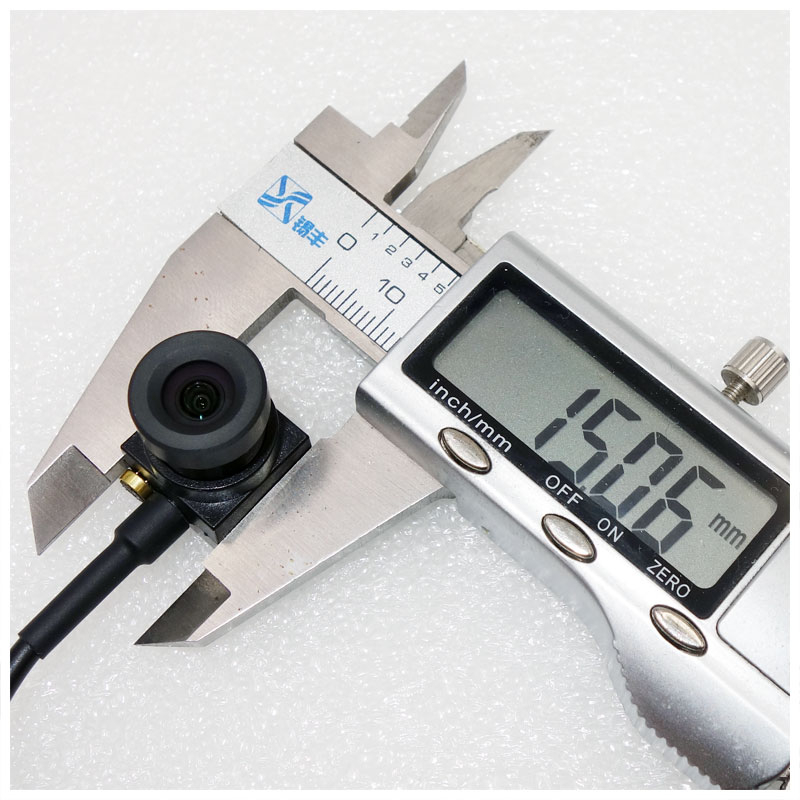
A micro camera module should not be mounted directly into open dust, mud, water or vibration without a proper enclosure. If the camera is directly exposed, rugged housing and cable design must be evaluated.
6. Conveyor Monitoring Applications
Conveyors are one of the most practical harsh-site embedded vision applications because many faults are visual, local and intermittent.
Common conveyor questions include:
- Did material stop flowing?
- Did the chute block?
- Did the belt edge shift?
- Did spillage occur?
- Did the transfer point overflow?
- Did the material load change before the alarm?
- Was the fault mechanical, material-related or operator-related?
A camera can provide visible evidence that a sensor alone cannot provide.
Possible Goobuy directions:
- micro AHD camera + DVR monitor for local replay;
- IP69K AHD kit for exposed wet or dirty points;
- micro USB camera inside an edge AI conveyor box;
- thermal camera module for bearing, roller or motor heat risk;
- global shutter USB camera if motion capture or machine-vision analysis is needed.
For conveyors, visible and thermal cameras often solve different problems.
Visible cameras show what happened.
Thermal cameras show where heat risk may exist.
7. BESS Monitoring and Service Equipment
Battery Energy Storage Systems require BMS, thermal monitoring, fire-safety systems and site-specific safety design. A camera module does not replace those systems.
However, a compact camera can support BESS monitoring and maintenance workflows by providing visible context.
Possible BESS uses include:
- service cabinet visual evidence;
- access door confirmation;
- maintenance activity recording;
- visible context after alarms;
- edge gateway camera input;
- local service monitor video;
- thermal + visible confirmation architecture.
Possible Goobuy directions:
- micro USB camera inside a protected BESS monitoring terminal;
- AHD camera DVR kit for local service evidence;
- STARVIS low-light camera for weak-light visible observation;
- thermal camera module for heat-risk monitoring;
- rugged camera hardware if the camera is directly exposed.
Correct positioning:
BMS and sensors report system status.
Thermal devices detect heat risk.
Visible cameras provide scene context and service evidence.
8. Substations and Utility Power Equipment
Substations and utility equipment require careful system design. A camera module is only one layer of the final solution.
A U.S. utility integrator may need visual input for:
- protected cabinet viewing;
- switch or indicator confirmation;
- panel status evidence;
- substation inspection robot camera input;
- utility service room video;
- local maintenance DVR recording;
- thermal hotspot confirmation;
- edge gateway visual evidence.
Possible Goobuy directions:
- micro USB camera for inspection devices or embedded hosts;
- micro AHD camera for local monitor and DVR systems;
- thermal camera modules for hotspot detection;
- STARVIS camera heads for weak-light visible confirmation;
- IP-rated hardware for exposed positions.
Important engineering notes:
Substation projects must consider EMI, grounding, surge protection, safety distance, enclosure design, cable routing and utility-specific rules.
Goobuy helps with the camera-side hardware. The integrator owns the final electrical and site design.
9. Heavy Industry and Machine Equipment
Heavy industry includes steel, cement, recycling, chemical processing, manufacturing, ports, machinery and large production equipment.
Many machine problems happen behind covers or inside protected mechanical areas.
Camera needs may include:
- machine interior observation;
- hidden jam video;
- actuator timing evidence;
- local fault replay;
- operator-assist viewing;
- equipment status recording;
- production-line troubleshooting;
- test fixture camera input.
Possible Goobuy directions:
- micro USB camera for embedded machine hosts;
- micro AHD camera for local monitor display;
- AHD DVR kit for maintenance evidence;
- global shutter USB camera for moving objects;
- IP69K AHD kit for wet or dirty fixed observation points;
- STARVIS camera for weak light;
- thermal camera for motors, pumps or heat-risk points.
This is a strong fit for Goobuy because many heavy industrial devices need camera-head hardware, not a complete video platform.
10. Energy Facilities
Energy facilities may include pump stations, compressor stations, generator rooms, solar service cabinets, wind service equipment, field shelters and remote utility infrastructure.
Typical camera-side needs include:
- pump station visual evidence;
- compressor area local video;
- cabinet status confirmation;
- edge box camera input;
- service-panel recording;
- field terminal video;
- local display without IP setup;
- heat-risk detection for motors or electrical equipment.
Possible Goobuy directions:
- micro USB for protected edge devices;
- AHD DVR kit for local maintenance evidence;
- STARVIS low-light USB for weak-light observation;
- thermal camera for heat-risk monitoring;
- IP69K AHD for wet or exposed local viewing.
For hazardous zones, certified equipment requirements must be evaluated separately. A general camera module should not be assumed suitable for ATEX, IECEx or Class / Division areas.
11. Environmental Monitoring and Wastewater Sites
Environmental monitoring and wastewater sites often include wet rooms, pump stations, remote data loggers, service cabinets and local control panels.
Camera needs may include:
- pump room visual evidence;
- cabinet status video;
- service visit documentation;
- visible context after sensor alarms;
- data logger camera input;
- wet-area local monitoring;
- environmental station condition review.
Possible Goobuy directions:
- micro USB camera inside a sealed data logger or edge box;
- AHD DVR kit for local troubleshooting and evidence;
- IP69K AHD camera for wet or washdown observation;
- stainless or corrosion-resistant housing direction for corrosive environments;
- thermal camera if heat detection is part of the requirement.
In wastewater projects, moisture, condensation, cable sealing and lens-window contamination may matter more than camera resolution.
12. Interface Selection for U.S. Harsh-Site Embedded Vision
Choose USB when:
- the camera connects to Linux, Windows, Android, Jetson or Raspberry Pi;
- software needs image frames;
- OpenCV, ROS, AI or event capture is required;
- the camera is inside an edge device;
- UVC compatibility matters.
Choose AHD when:
- operators need local real-time viewing;
- DVR recording is required;
- no PC or IP setup is preferred;
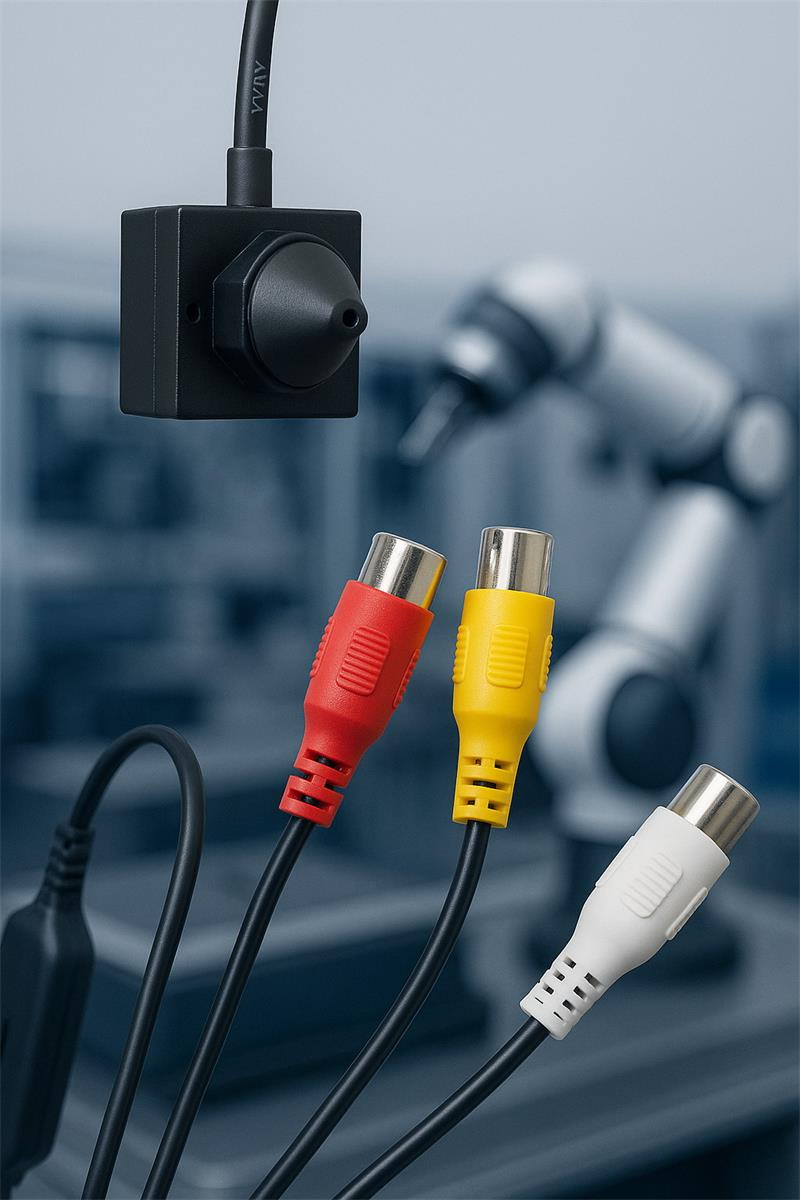
- the cable route is longer than a simple USB path;
- the system uses AHD monitor, DVR, RCA or BNC input.
Choose IP / PoE when:
- the site needs networked video;
- remote viewing is the main requirement;
- VMS integration is required;
- centralized multi-camera management is needed.
Choose thermal when:
- heat abnormality is the main target;
- temperature-risk monitoring is required;
- visible video cannot solve the detection problem.
Choose global shutter when:
- motion distortion affects the result;
- fast-moving objects must be captured;
- marker, barcode or docking accuracy matters.
A U.S. integrator should not choose camera interface by habit. The interface should follow the host and workflow.
13. U.S. Regional Application Examples
Texas and the Gulf Coast
Relevant applications may include energy facilities, pump stations, wastewater plants, petrochemical support equipment, utility cabinets, field service tools and heavy industrial monitoring devices.
Best-fit camera directions:
- STARVIS low-light USB for protected field video;
- AHD DVR kit for local maintenance evidence;
- IP69K AHD for wet or dirty local observation;
- thermal for heat-risk monitoring.
Arizona, Nevada and the Southwest
Relevant applications may include mining, solar field equipment, remote utility shelters, environmental monitoring stations and rugged edge devices.
Best-fit camera directions:
- micro USB for compact edge boxes;
- thermal for heat-risk detection;
- AHD local DVR kits for maintenance evidence;
- rugged camera heads for exposed equipment.
Rocky Mountain and Western Mining Regions
Relevant applications may include conveyors, mining equipment cabinets, remote pump stations, cold-region equipment, material handling systems and inspection tools.
Best-fit camera directions:
- AHD DVR for conveyor fault replay;
- micro USB for protected edge devices;
- STARVIS low-light for weak visible-light viewing;
- thermal for bearing and roller heat monitoring.
Great Lakes and Midwest Manufacturing
Relevant applications may include machinery, automation cabinets, industrial equipment, conveyors, robotics, heavy equipment and factory maintenance tools.
Best-fit camera directions:
- micro USB for embedded machine hosts;
- global shutter for motion capture;
- AHD DVR kit for machine fault evidence;
- IP69K AHD for wet or dirty process areas.
Northeast and Utility Infrastructure
Relevant applications may include substations, wastewater facilities, utility equipment, energy service cabinets and environmental monitoring devices.
Best-fit camera directions:
- micro USB for protected utility devices;
- AHD local DVR systems for service evidence;
- thermal for electrical hotspot monitoring;
- IP-rated hardware for exposed positions.
California and West Coast Robotics / Industrial Technology
Relevant applications may include robotics companies, edge AI devices, field video units, environmental monitoring hardware, port equipment and automation systems.
Best-fit camera directions:
- micro USB for compact host devices;
- global shutter for robot motion;
- STARVIS low-light for protected field video;
- AHD or rugged AHD for local operator-view systems.
Contact Us
Shenzhen Novel Electronics Limited
AC-501: www.okgoobuy.com/Custom-Embedded-Camera-Development.html
Email: office@okgoobuy.com or Whatsapp me: +86-13510914939
Support: Custom lens, housing, connector, firmware
Serving: USA, Canada, Germany, France, Netherlands, Italy, and more
Let us help you build better vision into your machines.
continue reading its part (2) here Micro Camera Solutions for U.S. Harsh-Site Machine Vision Integrators(2)